
Essential Components for Thermal Energy Network Design

Thermal Energy Network Design: Key Components and Infrastructure Requirements
Thermal energy networks provide efficient distribution of heating and cooling, particularly in dense urban environments with high demand. This article examines the critical components and infrastructure required to design high-performing thermal networks. You will receive practical insights on core elements—heat exchangers, distribution piping, and thermal storage—and on strategies to optimize networks to reduce operating costs and improve sustainability. The content addresses governing design principles, integration of renewable sources, and implementation best practices.
What Are the Fundamental Components of Thermal Energy Networks?
Thermal energy networks comprise core components that jointly enable efficient heat delivery: buried distribution pipes, high-efficiency heat pumps, and thermal storage systems for operational flexibility. Each component contributes to reliable energy supply for residential and industrial loads.
The following table compares principal components and their functions.
| Component | Function | Importance |
|---|---|---|
| Underground Pipes | Transport thermal energy | Essential for distribution |
| Heat Pumps | Enhance system efficiency | Critical for energy conversion |
| Thermal Storage | Store excess energy | Provides flexibility in supply |
Understanding these components is fundamental for professionals involved in network design and deployment. Pro Profit Build offers specialized consulting on these elements to help organizations optimize thermal energy network design.
How Do Heat Exchangers Function Within Thermal Networks?
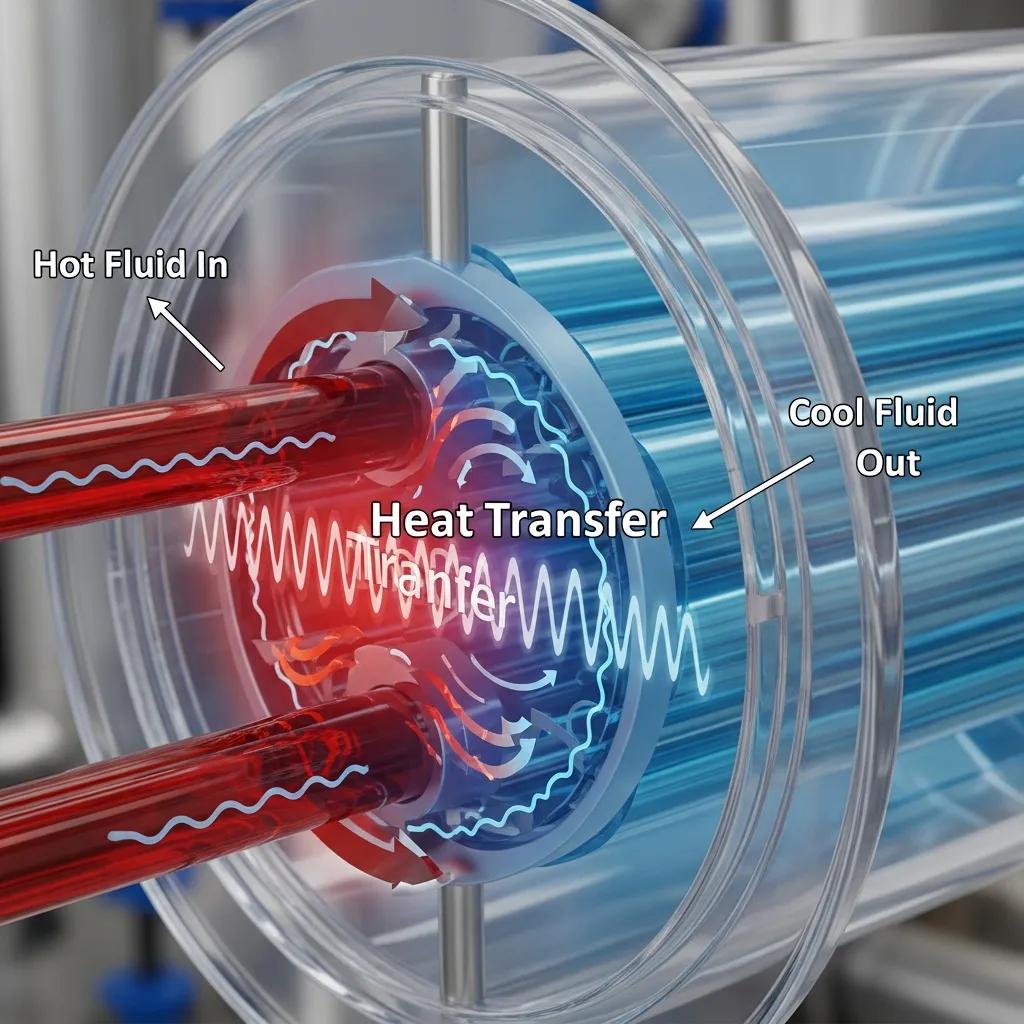
Heat exchangers are central to thermal networks. They transfer thermal energy between separate fluid circuits, permitting heat flow from higher- to lower-temperature streams without fluid mixing. This capability enables waste-heat recovery and supports improved system efficiency.
Integrating renewable thermal sources—such as solar thermal or biomass—can increase heat exchanger effectiveness and reduce the network’s carbon intensity while maintaining distribution performance.
What Roles Do Pipes and Pumps Play in Heat Distribution?
Pipes and pumps form the hydraulic backbone of a thermal network. Pipes convey heated or chilled fluids to load points; pumps sustain required flow rates and system pressures to meet load profiles.
Careful piping design—correct sizing and appropriate thermal insulation—minimizes heat losses, reduces operating expenditures, and improves end-user thermal comfort.
How Is District Heating Infrastructure Structured for Efficiency and Reliability?
District heating systems deliver centrally produced thermal energy to multiple buildings via lower-temperature distribution networks, modular substations, and integrated smart controls.
Lower-temperature distribution reduces transmission losses. Modular substations enable localized control of supply. Smart controls provide real-time monitoring and demand-responsive adjustments that improve overall system reliability and efficiency.
Which Infrastructure Elements Are Essential for District Heating Systems?
Critical infrastructure elements include:
- Heat Generation Sources: Centralized facilities that produce thermal energy, such as combined heat and power plants or renewable energy installations.
- Distribution Infrastructure: The network of pipes and pumps that transport thermal energy to end-users.
- Control Systems: Technologies that monitor and manage the flow of energy, ensuring optimal performance and reliability.
Collectively, these elements create a resilient district heating architecture capable of adapting to variable demand while maintaining operational efficiency.
How Do Thermal Energy Storage Solutions Enhance Network Performance?

Thermal energy storage systems capture surplus thermal energy during low-demand periods and dispatch it during peak demand, balancing supply and demand to enhance network performance.
Benefits include:
- Load Shifting: Storing energy during off-peak hours and using it during peak demand times.
- Enhanced Dispatchability: Providing energy on demand, which is crucial for maintaining system reliability.
- Resilience During Outages: Offering backup energy supply during unexpected disruptions.
These capabilities establish thermal storage as a foundational component of contemporary thermal networks.
What Design Principles Govern Effective Heat Network Systems?
Design principles that ensure optimal performance include:
- Low-Temperature Distribution: Designing systems to operate at lower temperatures reduces energy losses and enhances efficiency.
- Modular Development: Implementing modular designs allows for scalability and adaptability to changing energy demands.
- Data-Driven Operations: Utilizing data analytics to monitor system performance and optimize operations in real-time.
Adherence to these principles produces thermal networks that are efficient, resilient, and capable of meeting future demand profiles.
Further research underscores the value of advanced data-driven models for optimizing district heating operations.
Data-Driven Models for Optimal District Heating Network Operation
The study discusses partial differential equations describing DHN thermodynamics and heat transfer and presents a data-driven Gaussian-interpolated spatiotemporal Volterra model for integrated energy system optimal operation (L. Wang, 2023).
How Does Energy Efficiency Influence Heat Network Design?
Energy efficiency is central to heat network design; improvements reduce carbon emissions and lower lifecycle operating costs.
Design strategies include:
- Incorporating Renewable Energy Sources: Utilizing solar, wind, or biomass can significantly enhance the sustainability of thermal networks.
- Optimizing System Components: Selecting high-efficiency pumps, heat exchangers, and insulation materials can improve overall system performance.
- Implementing Smart Technologies: Advanced monitoring and control systems can optimize energy use and reduce waste.
These measures improve environmental performance and strengthen economic viability through lower operating costs and enhanced asset utilization.
What Are the Best Practices for Integrating Renewable Thermal Energy Systems?
Integration of renewable thermal systems into existing networks requires systematic planning. Recommended practices include:
- Conducting Feasibility Studies: Assessing the potential for renewable energy integration based on local resources and demand.
- Designing Strategically: Ensuring that renewable systems complement existing infrastructure and meet energy needs effectively.
- Engaging Expert Consultants: Collaborating with specialists in renewable energy can provide valuable insights and enhance project outcomes.
Following these practices enables organizations to integrate renewable thermal sources effectively and advance sustainability objectives.
How Can Thermal Network Components Be Optimized for Operational Excellence?
Component optimization is necessary to achieve operational excellence. Key strategies include:
- Assessing Readiness: Evaluating existing infrastructure to identify areas for improvement.
- Planning Implementation: Developing a clear roadmap for upgrades and enhancements.
- Risk Management: Identifying potential risks and developing mitigation strategies to ensure system reliability.
These approaches enable organizations to maximize network performance, reduce operating expenses, and improve service reliability.
What Strategies Improve Thermal Energy Storage System Efficiency?
Improving thermal storage efficiency involves:
- Integration of Low-Carbon Sources: Utilizing renewable energy for charging storage systems can improve sustainability.
- Utilization of Advanced Storage Technologies: Implementing innovative storage solutions, such as phase change materials, can enhance performance.
- Smart Controls and Digital Optimization: Employing advanced monitoring and control systems can optimize energy use and improve overall efficiency.
Research highlights advanced materials, such as phase change materials (PCMs), as key innovations for thermal storage.
Phase Change Materials for Thermal Energy Storage
Phase change materials (PCMs) store energy through solid-to-liquid phase transitions. (Thermal energy storage and phase change materials: an overview, 2006)
These strategies increase thermal storage effectiveness and support reliable demand fulfillment.
How Does System Monitoring Contribute to Network Optimization?
Continuous system monitoring is essential for optimizing thermal energy networks. Tracking performance metrics enables operators to detect inefficiencies and implement corrective actions.
Key benefits include:
- Enhanced Operational Efficiency: Real-time data allows for quick responses to changing conditions.
- Predictive Maintenance: Monitoring can help anticipate equipment failures, reducing downtime and maintenance costs.
- Optimized Hydraulic Balance: Ensuring that flow rates and pressures are maintained within optimal ranges enhances system performance.
Studies further support data-driven modeling as effective for optimizing district energy networks.
Data-Driven Modeling for District Energy Network Operations
Operational network data can be used to construct temporal load profiles, reducing reliance on building-level energy models (S. Foroushani, 2021).
These benefits underscore the necessity of robust monitoring systems to sustain efficient thermal networks.
What Regulatory and Market Considerations Impact Thermal Energy Network Design?
Regulatory and market factors materially influence heat network design. Primary considerations include:
- Regulatory Compliance: Adhering to local and national regulations regarding emissions and energy efficiency.
- Incentives and Tariffs: Understanding available financial incentives can influence project feasibility and design choices.
- Market Demand: Analyzing current and projected energy demands helps inform system capacity and design.
Incorporating these factors enables designers to deliver compliant and economically viable thermal networks.
Which Compliance Requirements Must Thermal Networks Meet?
Thermal networks are subject to multiple compliance requirements to ensure safety and efficiency. Key obligations include:
- Adoption of Renewable Thermal Systems: Many jurisdictions mandate the integration of renewable energy sources into thermal networks.
- Meeting Sustainability Goals: Compliance with sustainability targets is increasingly important for new projects.
- Reducing Exposure to Compliance Costs: Proactive compliance can help mitigate potential fines and operational disruptions.
A clear understanding of these requirements is essential to successful design and deployment.
How Do Emerging Market Trends Influence Infrastructure Planning?
Emerging market trends affect infrastructure planning for thermal networks. Notable trends include:
- Integration of Renewable Thermal Solutions: The shift towards sustainable energy sources is reshaping infrastructure needs.
- Modular Designs: Increasing demand for flexibility is driving the adoption of modular infrastructure solutions.
- Feasibility Studies: Comprehensive assessments are becoming standard practice to ensure project viability in changing markets.
These trends necessitate adaptive planning to ensure systems remain effective amid market change.
For further analysis of these trends and their infrastructure implications, consult thermal energy networks.
To optimize thermal energy systems, review our services for comprehensive, customized solutions.
Effective leadership is critical to navigate the complexities of thermal energy network design. Learn more about our leadership and their domain expertise.